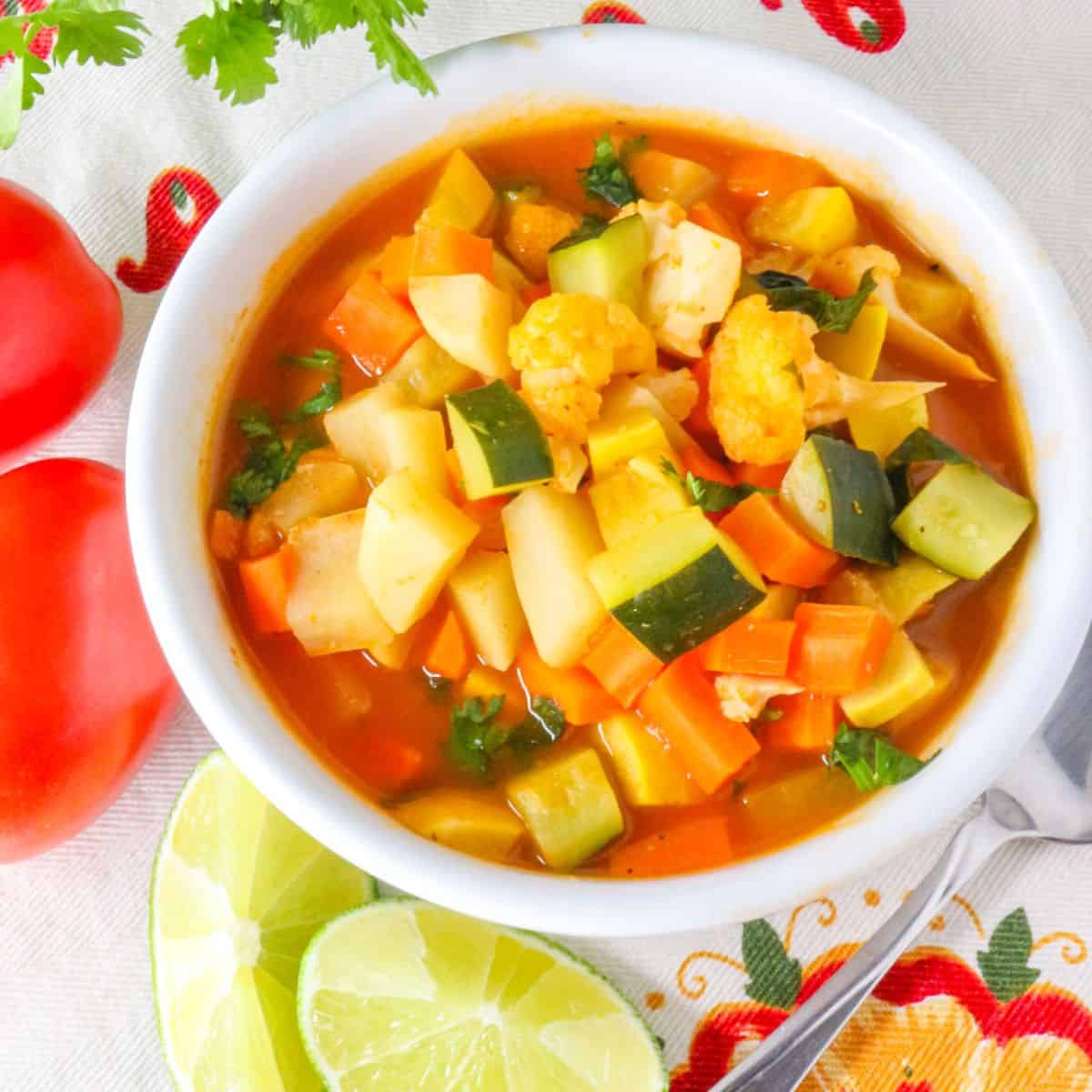
The Secret to Flavorful Mexican Vegetable Soup: Tomato Broth & Spices
There's a certain magic to a really good bowl of soup – that comforting warmth, the symphony of flavors, and the feeling of being nourished from the inside out. When it comes to
Mexican vegetable soup, or *sopa de verduras*, this magic is particularly potent. Often served as a staple in Mexican households, it’s a dish that evokes memories of home-cooked meals, a remedy for a chilly evening, and a vibrant celebration of fresh produce. But what truly elevates this humble soup from a simple vegetable broth to an unforgettable culinary experience? The secret lies in two fundamental components: a rich, savory tomato-based broth and a thoughtfully selected blend of Mexican spices.
Unlike many traditional vegetable soups that rely on a clear, light broth, Mexican vegetable soup sets itself apart with its deeply flavored, robust foundation. This isn't just about throwing tomatoes into a pot; it's about crafting a foundational flavor bomb that permeates every single vegetable and spoonful. This article will delve into these essential elements, guiding you through the techniques and ingredients that unlock the authentic, soul-satisfying taste of this beloved Mexican dish.
The Heart of the Flavor: Unpacking the Tomato Broth
The robust, slightly sweet, and tangy tomato broth is the defining characteristic of an authentic
Mexican vegetable soup. It’s what gives the soup its vibrant color and its deep, complex flavor profile, making it akin to a hearty minestrone but with a distinctly Mexican twist. This isn't merely chopped tomatoes; it's a carefully prepared mixture that forms the soul of the soup.
The Essential Ingredients for Your Tomato Base
To create this signature base, you'll need a handful of fresh, aromatic ingredients:
*
Roma Tomatoes: These are often preferred for their meaty texture and lower water content compared to other varieties, which contributes to a richer, less watery broth. They bring natural sweetness and a crucial acidic balance.
*
Onion: A foundational aromatic that adds a subtle sweetness and depth when blended and cooked. Yellow onion is typically used.
*
Garlic: The cornerstone of so much Mexican cooking, garlic provides pungent, aromatic complexity that is indispensable. A few cloves go a long way.
*
Vegetable Bouillon: This ingredient is a fantastic shortcut to instant umami and savory depth. It helps create a broth that tastes like it’s been simmering all day, even when it’s ready in under an hour. For a vegan or vegetarian soup, ensure you use vegetable bouillon, though chicken or beef bouillon can be used for a different flavor profile.
*
Water: Essential for blending the ingredients into a smooth, pourable paste and for adjusting the consistency of the broth.
These ingredients are typically blended together until completely smooth, forming a vibrant, reddish-orange purée that is far more flavorful than simply adding canned tomato sauce. This blending step is critical as it fully integrates the raw flavors, creating a harmonious foundation for the broth.
The Art of Sautéing the Base
Once your tomato base is blended, the next crucial step is to sauté it. This isn't just about heating; it's a transformative process:
*
Eliminating Raw Flavors: Sautéing the blended tomato, onion, and garlic mixture helps to "cook out" the raw, sometimes harsh, flavors of the onion and tomato. This step mellows their intensity and deepens their natural sweetness.
*
Developing Complexity: As the mixture simmers in olive oil, it begins to caramelize slightly, concentrating the flavors and developing a richer, more profound taste. The color also intensifies, becoming a deeper, more appealing red. This process, often called "frying the sauce" in Mexican cuisine, is key to achieving that authentic, slow-cooked flavor in a fraction of the time. Cooking it for about three minutes after adding it to the pot is often sufficient to achieve this depth.
A Symphony of Spices: Crafting the Mexican Flavor Profile
While the tomato broth provides the body and richness, it's the specific blend of Mexican spices that imparts the soup's distinctive aroma and taste. These spices are not overpowering but rather work in harmony to create a warm, earthy, and aromatic profile that is instantly recognizable as Mexican.
Key Spices and Their Roles
A simple yet potent combination of spices is all you need:
*
Cumin: This spice is a cornerstone of Mexican cuisine, offering an earthy, warm, and slightly pungent flavor that is deeply comforting. It provides a grounding note to the broth.
*
Oregano: Often Mexican oregano, which has a distinct flavor profile from its Mediterranean counterpart, offering more citrusy, slightly grassy, and less minty notes. It adds a vibrant, aromatic top note to the soup.
*
Salt and Black Pepper: These fundamental seasonings are crucial for enhancing all other flavors and balancing the soup. Proper seasoning throughout the cooking process is key.
*
Cilantro: While technically an herb, fresh cilantro sprigs added during the simmer, and more chopped cilantro as a garnish, provide an essential burst of fresh, bright, and slightly peppery flavor that is synonymous with Mexican cooking.
These spices transform the humble vegetable broth into something truly special, infusing it with layers of flavor that make the soup incredibly satisfying.
Beyond the Basics: Elevating Your Spice Game
For those looking to explore a bit further, you can enhance the flavor profile even more:
*
Smoked Paprika: A pinch can add a lovely smoky depth without adding heat, complementing the earthy cumin beautifully.
*
Chipotle Powder or Adobo Sauce: For a subtle kick and an extra layer of smoky heat, a small amount can be added to the tomato base. Adjust to your preference.
*
Bay Leaf: Adding a single bay leaf during the simmering stage can infuse a gentle, herbaceous background note.
*
Fresh Chiles: For a fresh, vibrant heat, consider adding a thinly sliced serrano or jalapeño pepper to the soup while it simmers, or as a garnish.
Building Your Bowl: Fresh Vegetables and Customization
Beyond the exceptional broth and spices,
Mexican vegetable soup is also celebrated for its abundant use of fresh vegetables. It's a fantastic way to enjoy a wide array of nutrients and textures in one delicious bowl. The beauty of this soup lies in its adaptability; you can truly make it your own based on what's fresh and in season.
Classic Vegetable Combinations
Typically, the soup features a mix of common, hearty vegetables:
*
Carrots: Their natural sweetness and firm texture hold up well to simmering. Sautéing them for a couple of minutes before adding the broth helps to soften them slightly, as they are typically the longest-cooking vegetable.
*
Zucchini: A quick-cooking, mild vegetable that adds a pleasant tenderness.
*
Russet Potatoes: These provide a hearty, satisfying element and help thicken the soup slightly as they break down a little.
*
Green Beans: Add a lovely vibrant green color and a slightly crisp-tender texture.
*
Bell Pepper: Yellow, green, or red bell peppers contribute sweetness, color, and a fresh crunch.
Seasonal Swaps and Personal Touches
Don't be afraid to experiment! This soup is incredibly forgiving and truly shines with a custom vegetable mix. Consider these additions:
*
Corn: Fresh or frozen corn kernels add bursts of sweetness and a lovely texture.
*
Broccoli or Cauliflower: florets add heartiness and a different texture profile.
*
Asparagus: For a more delicate touch, add tender asparagus spears towards the end of the cooking process.
*
Leafy Greens: Stir in kale or spinach in the last few minutes of simmering for extra nutrients and a beautiful color.
*
Mushrooms: Sliced mushrooms can add an earthy, umami depth.
When swapping vegetables, remember to consider their cooking times. Harder vegetables like root vegetables should be added earlier, while softer greens or quick-cooking items like corn can go in later to prevent overcooking.
Mastering the Method: Step-by-Step for a Quick & Delicious Soup
One of the most appealing aspects of
authentic Mexican vegetable soup is how quickly it comes together, often ready in about 35-45 minutes, yet tastes like it's been simmering for hours. The key is in the sequential addition and cooking of ingredients.
From Sauté to Simmer: Key Cooking Stages
1.
Prepare the Tomato Base: Blend Roma tomatoes, onion, garlic, vegetable bouillon, and water until perfectly smooth.
2.
Sauté Aromatics & Base: In a large pot or Dutch oven, sauté carrots in olive oil for a couple of minutes to start softening them. Then, pour in the blended tomato mixture and cook for about 3 minutes over medium-high heat, stirring frequently. This crucial step eliminates raw flavors and deepens the base.
3.
Combine Ingredients: Add the remaining vegetables (zucchini, potatoes, bell pepper, green beans), vegetable broth, salt, cumin, black pepper, oregano, and cilantro sprigs.
4.
Boil and Simmer: Raise the heat to high and bring the soup to a rolling boil. Once boiling, reduce the heat to medium-low, cover, and simmer for about 15 minutes, or until all vegetables are fork-tender. Be careful not to overcook them into mush.
Expert Tips for the Perfect Batch
*
Broth Choice: Stick with vegetable broth and bouillon for a vegetarian/vegan version. If you prefer, chicken or beef broth can be substituted for a richer, meatier flavor.
*
Garnish Generously: Once cooked, remove the cilantro sprigs. Serve immediately with a squeeze of fresh lime juice – it brightens all the flavors! Other excellent garnishes include crumbled cotija or queso fresco, a dollop of sour cream or crema, diced avocado, or even crushed tortilla chips for texture.
*
Tastes Better the Next Day: Like many soups, the flavors of
Mexican vegetable soup often deepen and meld beautifully overnight, making it fantastic for meal prep.
*
Prep Ahead: Chop all your vegetables in advance to make the cooking process even quicker.
Conclusion
The secret to truly flavorful
Mexican vegetable soup isn't an obscure ingredient or a complicated technique; it's the intentional creation of a rich, vibrant tomato-based broth infused with classic Mexican spices. This foundational flavor, combined with an abundance of fresh, customizable vegetables, transforms a simple soup into a heartwarming and healthy meal that tastes like it's been lovingly prepared all day. Whether you're seeking a quick weeknight dinner, a comforting dish for a chilly evening, or simply a delicious way to boost your vegetable intake, this traditional *sopa de verduras* with its unique tomato broth and aromatic spices is a culinary secret worth discovering and savoring.